
jueves, 15 de enero de 2015
Zodiac of the Bull.

Humanoid bird mask


Frontlet worn by a chief attached to his headdress

domingo, 28 de diciembre de 2014
figura de vidrio

jueves, 4 de diciembre de 2014
Ex.il exiliats il.lustrats


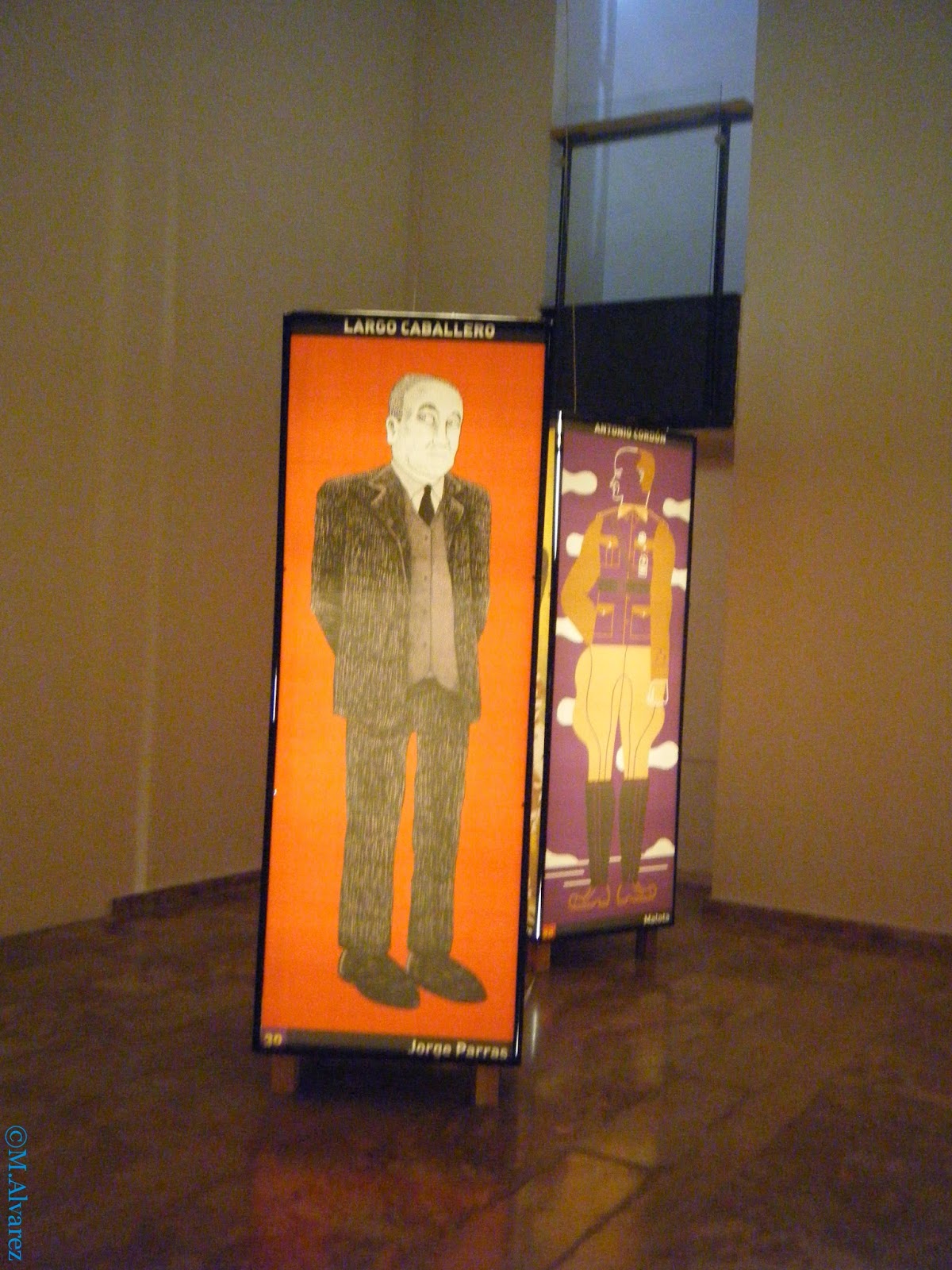


L´exposició presenta l´obra de 36 il.lustradors alencians.
36 vides de personatges.
lunes, 24 de noviembre de 2014
José Lull - Parte 1ª - Transición política de Amenhetep III a Amenhetep IV
Relief of Mourning Women

Relief of Mourning Women
New Kingdom funerals often featured female mourners wailing and gesturing dramatically. Although sometimes called "professional mourners," more likely these local women joined the funeral procession to express solidarity and sorrow, and also to participate in a public event.The sloppy carving and indistinct lines indicate that that sculptor of this tomb relief was relatively unskilled, but he did successfully convey how ancient women demonstrated grief by throwing dust on their heads and even falling to the ground. The different shapes of the figures indicate different ages.
- Medium: Limestone
- Place Made: Saqqara, Egypt
- Dates: ca. 1319-1204 B.C.E.
- Dynasty: late XVIII Dynasty-early XIX Dynasty
- Period: New Kingdom
- Dimensions: 11 7/16 x 16 1/4 x 2 13/16 in. (29 x 41.2 x 7.2 cm) (show scale)
- Collections:Egyptian, Classical, Ancient Near Eastern Art
- Museum Location:
This item is on view in Egypt Reborn: Art for Eternity, Egyptian Orientation Gallery, 3rd Floor
- Accession Number: 37.31E

Suscribirse a:
Entradas (Atom)